Overview
There is no best rod and reel, only the right one for the water in front of you. A rod built to lob a heavy feeder across a lake is the wrong tool on a little canal, and a dainty float rod will not hold a running carp. Decide what you'll fish for first; the kit follows from that, not the other way round.
Match the rod to the fishing
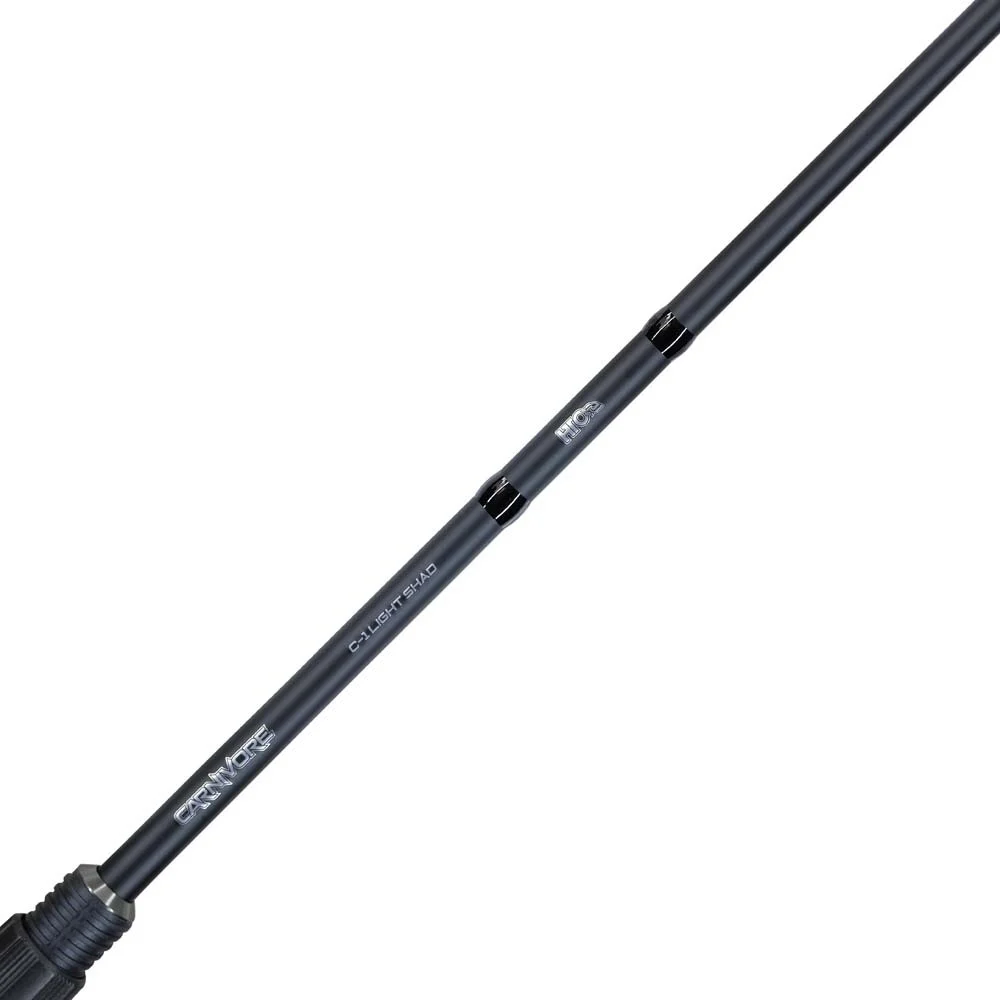
Two numbers tell you most of what a rod is for. The casting weight (or, on a carp rod, the test curve) is how much weight it's built to throw and hold. The length sets how far you can cast and how much line you can pick up off the water.
- Float and waggler fishing on stillwaters and canals: a 12–13ft float rod, soft through the tip.
- Feeder or light leger: a 10–11ft feeder or quivertip rod that shows a bite in the tip itself.
- Carp and bigger stillwater fish: a 12ft rod around 2.75–3lb test curve.
- Lure fishing for perch, pike and bass: a shorter 7–9ft spinning rod rated for the lure weights you'll throw.
Reels: the three you'll meet
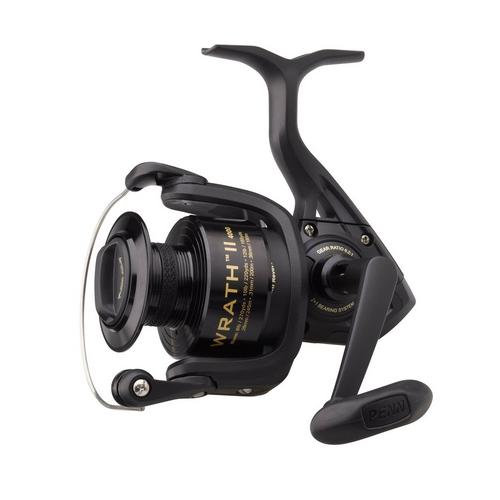
Most coarse and lure fishing is done on a fixed-spool reel — the common sort, forgiving and easy to cast. A size around 2500–4000 covers float, feeder and light lure work; step up to a 5000–6000 baitrunner for carp, where the free-spool lever lets a taking fish pull line without dragging the rod in.
Multiplier reels sit on top of the rod and suit heavy sea work and boat fishing. You can ignore them until you need one.
What to spend
You do not need to spend a fortune to start, and the dearest rod in the rack will not catch you a fish you couldn't have caught on a sensible one. Put the money into a reel that winds smoothly and a rod the right length for your water; a matched rod-and-reel combo is honest value for a first setup.
Spend the difference on good line and terminal tackle, which do more for your results than the last few pounds on the rod ever will.