Overview
Lure fishing is the simplest way to travel light and cover water. No bait, no bucket — a rod, a reel, a small box of lures and your feet. You're not waiting for fish to come to you; you're going to find them, which is half the pleasure and most of the point.
The main lure types
- Spinners: a blade that spins as you wind — the easiest place to start, deadly on perch and small pike.
- Soft plastics: rubber shads and worms on a weighted jig head, worked in hops along the bottom.
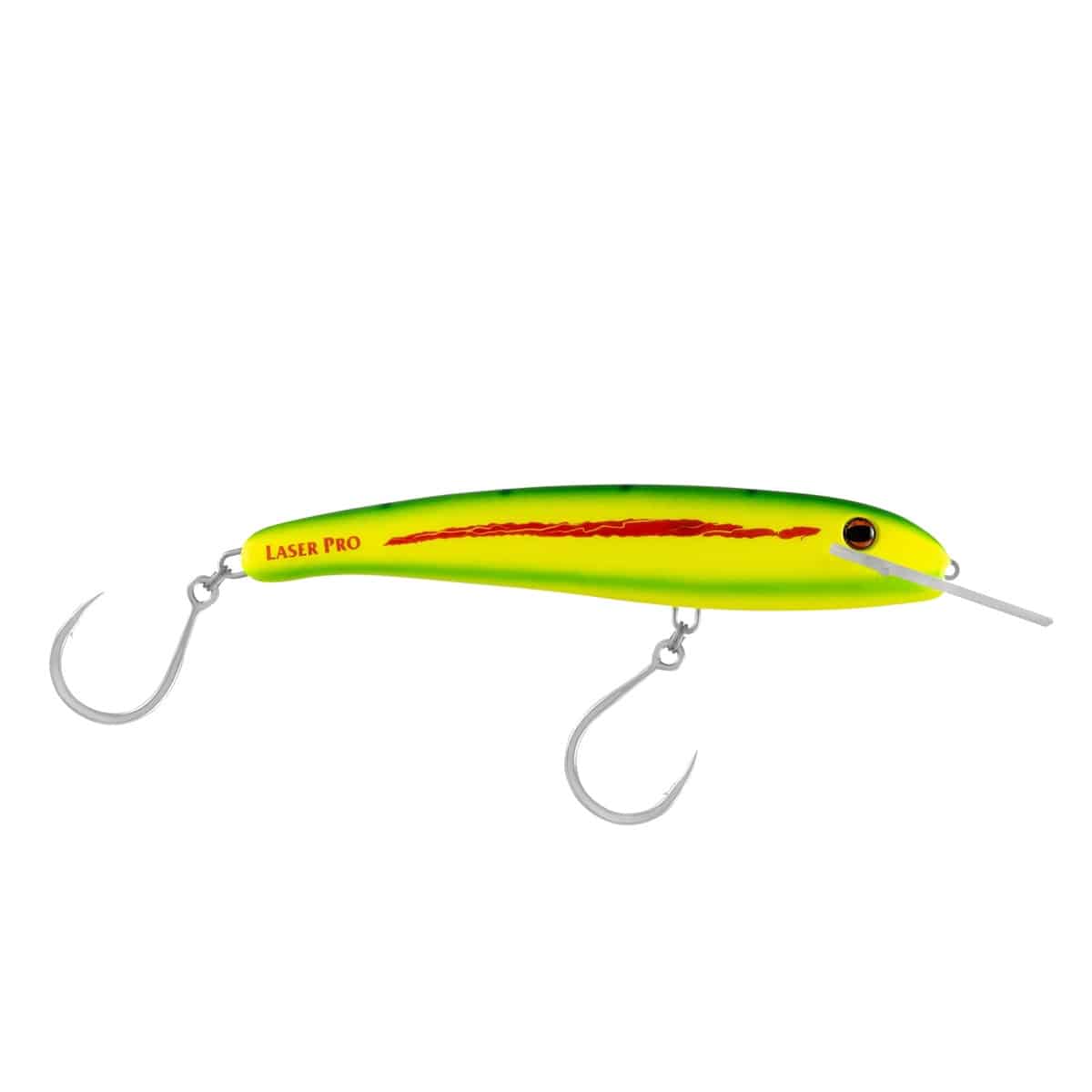
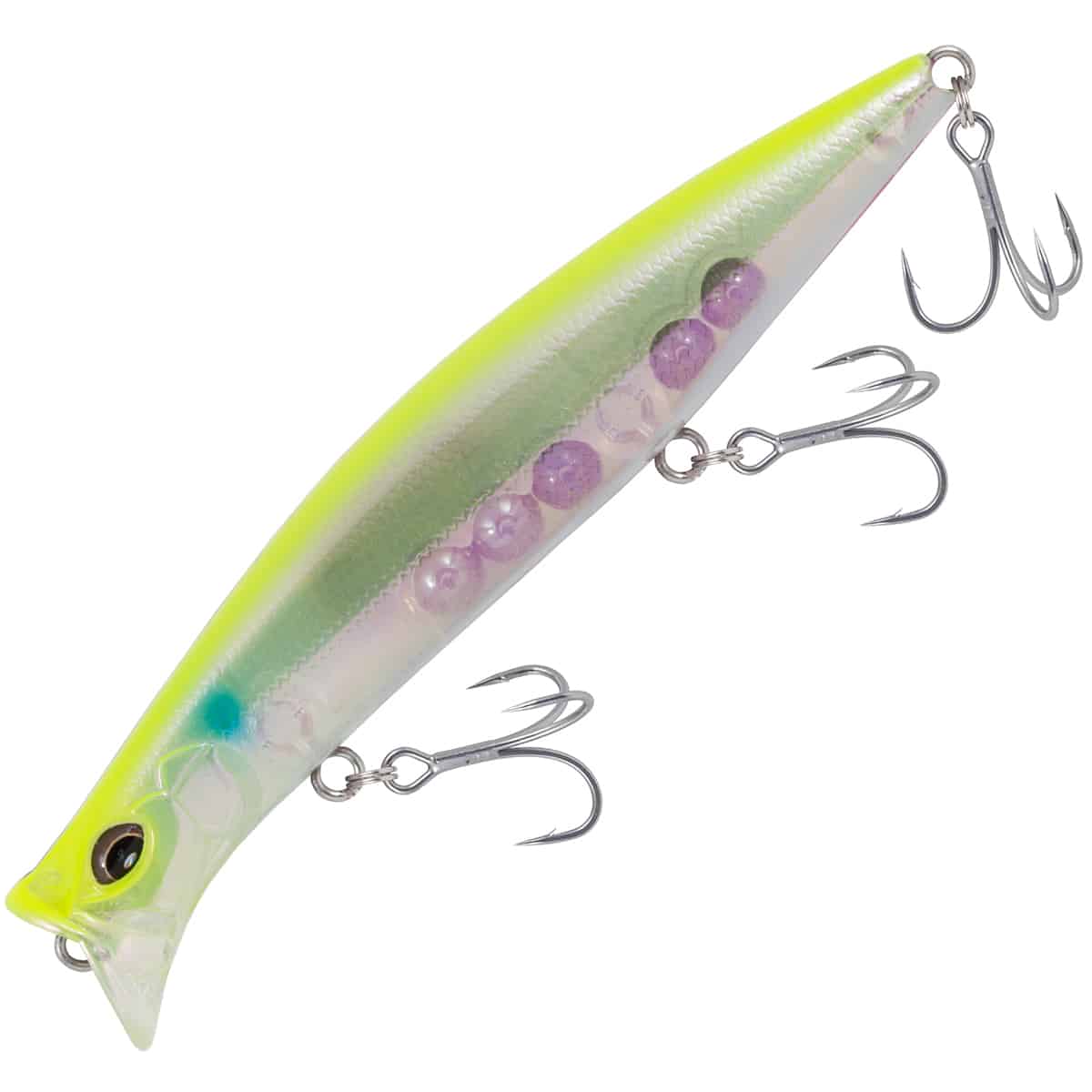
- Plugs and crankbaits: hard lures that dive and wobble, each to its own depth.
- Spoons: a curved metal blade with a lazy wobble, good for pike and for searching deep water.
When and why
Predators hunt by sight and by feel, so the light and the water colour decide a lot. First and last light are the reliable windows, and a bit of ripple or colour gives a cautious fish the confidence to commit. In clear, bright water go smaller and more natural; in coloured water go bigger and brighter, or pick a lure with a strong vibration the fish can track.
Vary the retrieve before you change the lure. A pause, a twitch, a change of speed turns a follow into a take more often than a new colour does.
A simple starting kit
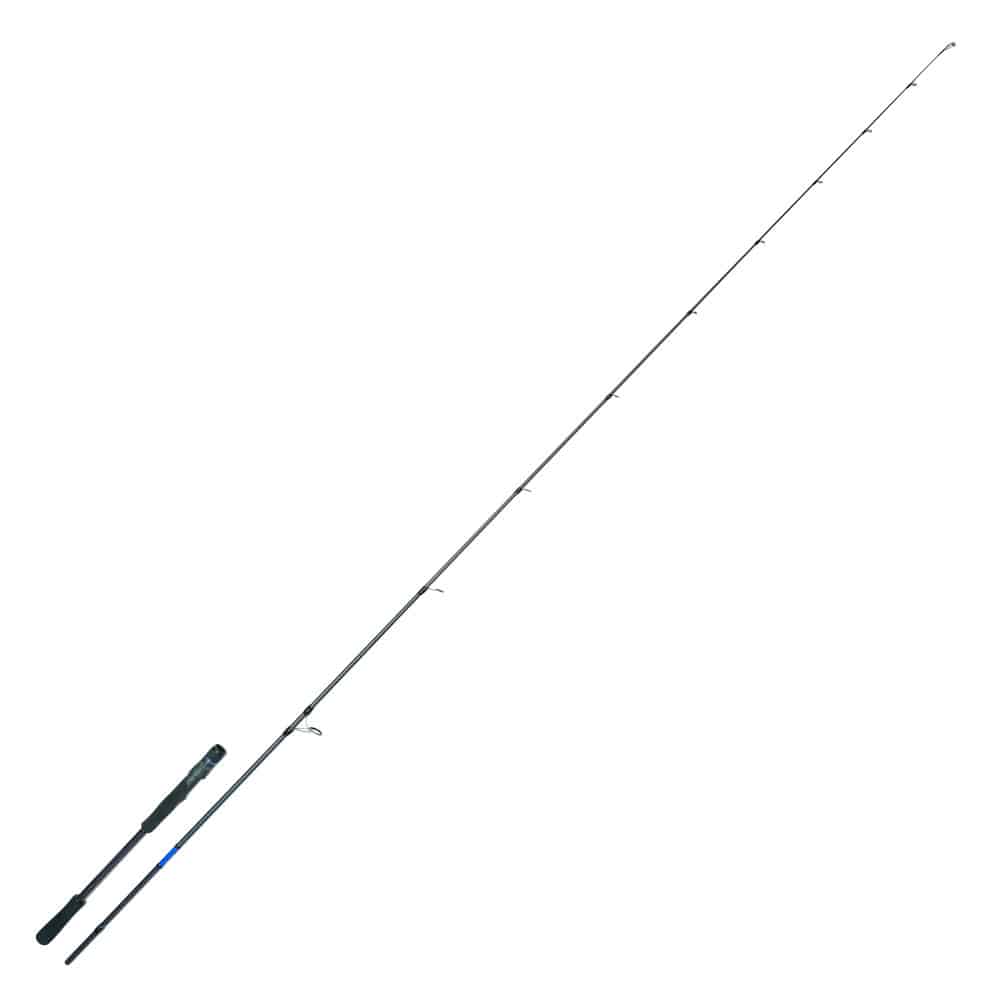
A short spinning rod, a 2500–3000 reel, a spool of braid with a fluorocarbon leader, and a dozen lures across two or three depths will catch you fish anywhere. If there's any chance of a pike — and on most waters there is — fish a wire trace. A pike's teeth will cut straight through line, and that's a lost fish and a lost lure in its mouth, which is the part that matters.