Overview
The pike is the biggest predator most of us will catch from fresh water, and the first one that asks you to know what you're doing before you go. None of it is hard, but it isn't the fish to wing it on — the right kit and a plan for unhooking are what separate a good day from a bad one, for you and for the pike.
When to go
Pike fish best in the colder half of the year — autumn through to early spring — when the water cools and they feed up hard. Cold, settled days with a bit of light in them are prime. On rivers, remember the coarse close season dates and check whether the stretch is open; stillwaters are the reliable winter option.
The kit that keeps the pike safe
This is the part you do not cut corners on.
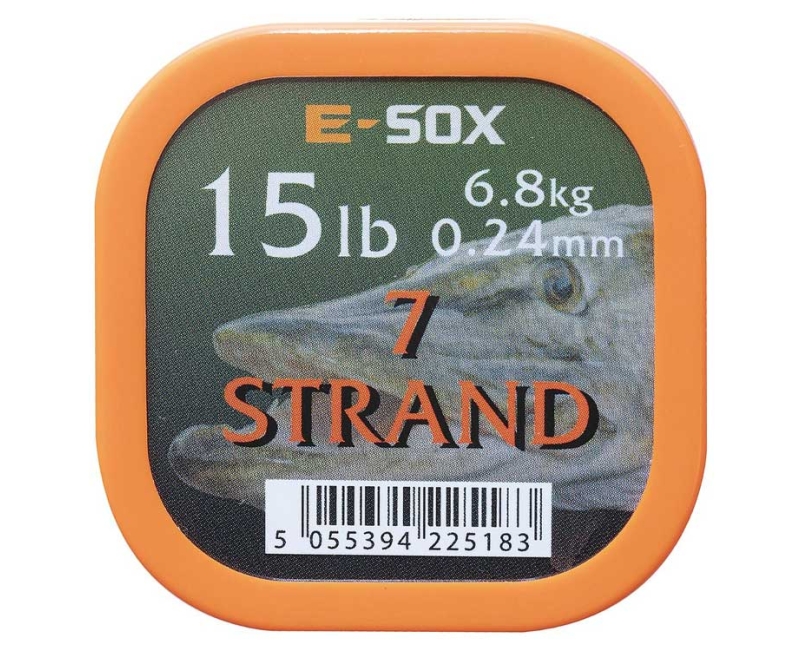
- A wire trace, always — a pike's teeth cut straight through any normal line, losing the fish with hooks left in it.
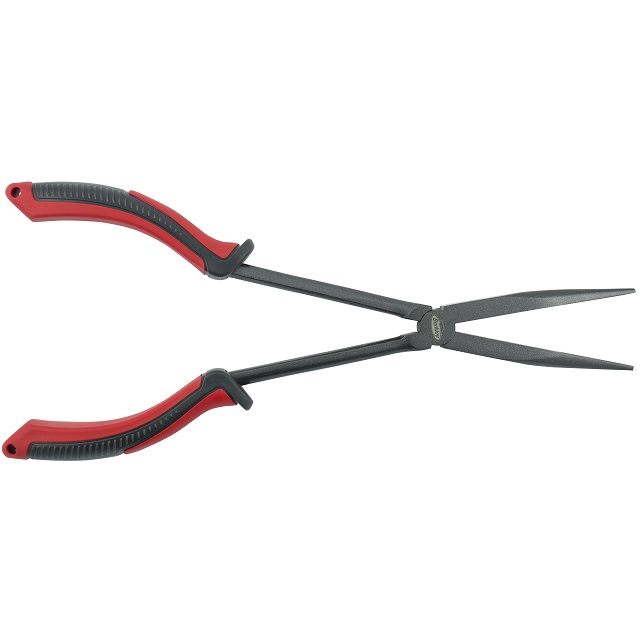
- Long-nose forceps or pliers, and a pair of wire cutters, for fast unhooking.
- A large landing net and a padded unhooking mat.
- A rod with some backbone — a dedicated pike or heavier lure rod, not a float rod.
Lures vs deadbaits
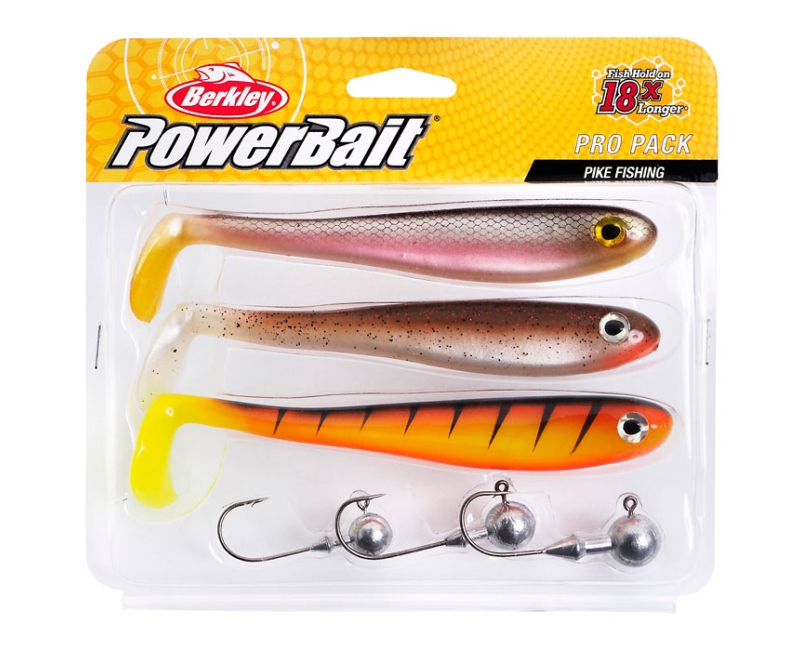
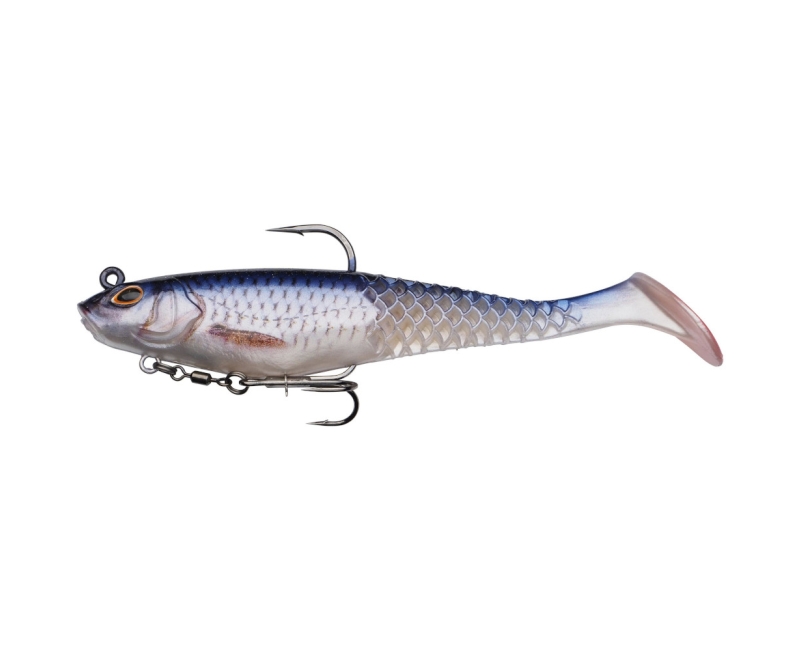
Two honest ways in. Lure fishing is mobile and active — big spoons, soft plastics and plugs, worked through likely water — and you cover ground to find a fish. Deadbaiting is the patient method: a whole dead fish such as a mackerel or a smelt, fished static on the bottom with the rod on alarms. Many pike anglers do both, depending on the day and their legs.
Unhooking and safety
Learn to unhook a pike properly before your first trip, ideally shown by someone who's done it. Lay the fish on the wet mat, hold it firmly, and go in behind the gill cover with the forceps to reach the hooks — keeping your fingers clear of the teeth. Have everything to hand before you cast so the fish is out of the water for as little time as possible, then support it in the margins until it swims off strongly.